Water Softener Installation across Provo
Provo sits at the foot of the Wasatch Range in Utah County, and its water comes from springs, wells, and reservoirs. The water is hard — local water reports put hardness in the 10 to 15 grains-per-gallon range, though some local pages report higher figures, so the exact number varies by source and by neighborhood. Hard water leaves scale on fixtures, shortens the life of water heaters and appliances, and makes soap harder to rinse.
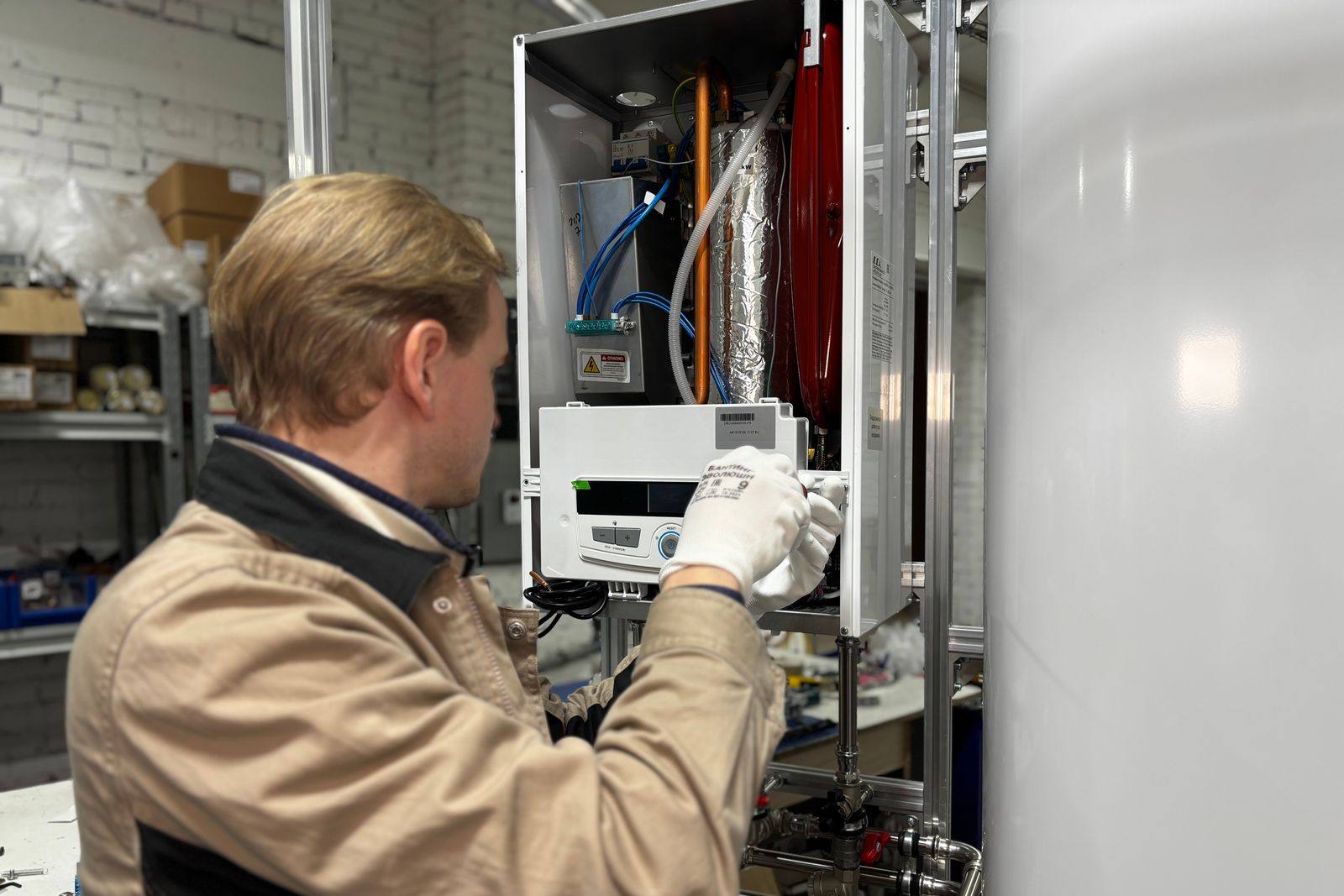
Water softener installation puts a unit on the home's main water line that removes the calcium and magnesium that make water hard. Hard water is not harmful to health, but it leaves scale on fixtures, spots on glassware, and residue on skin and hair, and it shortens the life of water heaters, dishwashers, and washing machines. A softener exchanges the hardness minerals for sodium, so the water no longer leaves scale behind. The work starts with a water test to measure the hardness, then the unit is sized for the home — the number of people, the number of bathrooms, and the water use — installed where the main line enters the house, and set to match the water's hardness. A salt-free conditioner is the alternative: it does not remove the minerals, but changes how they behave so they do not form scale as easily.
Requests are accepted in all 6 Provo ZIP codes where coverage is verified: 84601, 84602, 84603, 84604, 84605, and 84606. Requests from these ZIP codes are shared with independent local water softener installation providers.
Common signs you need water softener installation
White scale on taps and kettles
White, chalky deposits on taps, showerheads, and kettles are scale — the minerals in hard water left behind when the water dries. A little scale is normal, but heavy deposits that return quickly after cleaning are a sign the water is hard. The same scale builds up inside water heaters and appliances, where it shortens their life.
Spotted glassware and dishes
Glasses and dishes that come out of the dishwasher spotted, even with rinse aid, are a classic sign of hard water. The minerals dry onto the glass and leave spots that do not wash off easily. Laundry washed in hard water can also feel stiff, and whites can look grey over time.
Dry skin and dull hair
Skin that feels dry and tight after a shower, and hair that feels dull and hard to manage, can be caused by hard water. The minerals react with soap to form a sticky residue that clings to skin and hair and does not rinse away cleanly. A softener lets soap work properly, so less is needed.
Appliances failing early from scale
A water heater that is failing early, or a dishwasher that needs frequent descaling, is often a sign of hard water. Scale builds up on heating elements and inside appliances, making them work harder and wear out sooner. A softener protects appliances by keeping the minerals out of the water in the first place.
Soap that will not lather properly
Soap that does not lather well, shampoo that feels hard to rinse out, and laundry that needs extra detergent are all signs of hard water. The minerals react with soap to form a residue instead of a lather, so more soap is needed to get the same result — and the residue stays on skin, hair, and fabric.
What causes it in Provo
Naturally hard water supply
Hard water is water with a high level of dissolved calcium and magnesium, picked up as it passes through rock and soil. The minerals are not harmful to health, but they leave scale on fixtures, spot glassware, and build up inside pipes and appliances. A softener removes those minerals by exchanging them for sodium, so the water no longer leaves scale behind.
Scale damaging appliances
Scale builds up inside water heaters, dishwashers, and washing machines, making them work harder and wear out sooner. A water heater with scale on its elements uses more energy to heat the same water, and the scale shortens its life. A softener protects appliances by keeping the minerals out of the water in the first place.
Soap scum and poor cleaning
Hard water reacts with soap to form a sticky residue — soap scum — that clings to skin, hair, and surfaces. Laundry washed in hard water feels stiff, and dishes come out spotted. A softener lets soap work properly, so less is needed and the residue does not form.
Borderline hardness with visible signs
Some homes have water that is hard enough to cause problems, but not so hard that a softener is an obvious choice. In those homes, the decision usually comes down to the signs: scale on fixtures, spots on glassware, dry skin, and appliances failing early. A water test shows the hardness level and is the basis for sizing the softener correctly.
How providers fix it
Salt-based softening (ion exchange)
A salt-based softener passes water through resin beads that exchange calcium and magnesium for sodium. When the beads are full, the unit regenerates — flushing them with a salt solution and washing the minerals down the drain. It is the most effective way to soften water, and it is the right choice for a home with genuinely hard water.
Salt-free conditioning
A salt-free conditioner changes the form of the hardness minerals so they do not stick to surfaces and form scale as easily. The water still contains the minerals, but they pass through the system without building up. It needs no salt, no regeneration, and no drain, and it suits a home with moderately hard water.
Water testing and sizing
A water test measures the hardness level, usually in grains per gallon, and the provider uses that figure — along with the number of people, the number of bathrooms, and the water use — to size the unit correctly. A unit that is too small regenerates too often; one that is too large wastes salt and water.
Installation on the main line
The softener is installed on the main line where the water enters the house, with a connection to a drain for regeneration and a bypass valve so the unit can be isolated for service. The settings are adjusted to the water's hardness, the unit is run through a cycle, and the water is tested afterwards to confirm the hardness has dropped.
What a visit usually involves
- - Water test — The provider asks about the signs — scale, spots, dry skin — and tests the water to measure its hardness.
- - Survey and sizing — The provider surveys the installation point, checks for a drain and a power supply, and sizes the unit for the home and the water's hardness.
- - Installation and setup — The unit is connected to the main line and the drain, the settings are adjusted to the hardness level, and the unit is run through a regeneration cycle.
- - Testing and handover — The water is tested afterwards to confirm the hardness has dropped, and the provider explains the maintenance routine — adding salt, checking the level, and the annual service.
What it costs
A water softener installation is priced by the size of the unit, the type, and how accessible the installation point is. As general guidance, a salt-based softener installed commonly falls in roughly the $1,000–$3,000 range, including the unit and the installation, while a salt-free conditioner is usually less, commonly in roughly the $800–$2,000 range. The size of the home and the hardness of the water decide how large a unit is needed, and a larger home with very hard water costs more. Salt and ongoing maintenance are separate running costs. Any figure here is general guidance, not a quote — the provider who tests the water and surveys the home gives the actual price.
When to call soon
Call for a water test and a survey when scale keeps returning on fixtures, glassware comes out spotted, or appliances are failing early from scale — those signs point to hard water, and a test is the reliable way to confirm it and to size a softener correctly. A softener is a planned job, not an emergency, so there is time to compare the options — salt-based or salt-free — and to get the unit sized properly. If a softener is already installed and the scale has returned, call for a service: the salt may have run out, a salt bridge may have formed, or the unit may need a repair. A water test before and after is the way to know whether the softener is working.
Provo homes and their plumbing
Provo housing runs from older homes near downtown, through mid-century neighborhoods, to fast-growing suburbs. Older homes often have original plumbing with years of scale build-up, while newer homes are built with water treatment in mind from the start.
Frequently Asked Questions
How do I know if I have hard water?
White scale on taps, showerheads, and kettles, spots on glassware, dry skin after a shower, and appliances failing early from scale. A water test shows the hardness level and is the reliable way to confirm it — the visible signs are the reason to test.
What is the difference between salt-based and salt-free?
A salt-based softener removes the hardness minerals by exchanging them for sodium, and it needs salt and a drain. A salt-free conditioner does not remove the minerals — it changes how they behave so they do not form scale as easily. For very hard water, a salt-based softener is usually more effective.
How is a softener sized for my home?
The provider tests the water to measure its hardness, then sizes the unit for the home — the number of people, the number of bathrooms, and the water use. A unit that is too small will regenerate too often; a unit that is too large wastes salt and water.
How long does installation take?
Usually a day, including the water test, the installation, and setting the unit to match the water's hardness. A replacement using existing connections is usually quicker. The provider will explain the timing once the installation point has been surveyed.
Does a softener treat all the water in the home?
Yes — a softener is installed on the main line, so it treats all the water in the home. A point-of-use filter treats one tap only. If the problem is scale across the whole home, a whole-home softener is the right choice.